
Sexual Problems
1.Erectile Dysfunction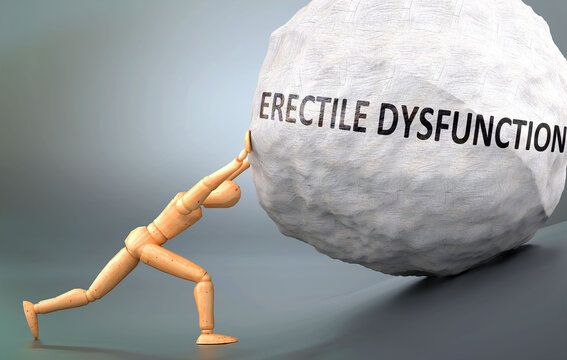
Erectile Dysfunction (ED) refers to difficulty achieving or maintaining firmness during intimacy. It is a common wellness concern and can affect confidence, emotional well-being, and overall quality of life. ED is often not caused by a single reason but by a combination of physical, lifestyle, and psychological factors.
1. Common Causes Include:
Poor blood circulation and cardiovascular health
Diabetes, high blood pressure, or obesity
Smoking, alcohol use, and unhealthy diet
Hormonal imbalance or low energy levels
Stress, anxiety, overthinking, and performance pressure
Poor sleep and lack of physical activity
2. Lifestyle & Wellness Management:
Improving daily habits is one of the most supportive long-term approaches. Regular movement such as walking, yoga, or light exercise helps support circulation and stamina. A nutrient-rich diet with proper hydration can improve energy and overall vitality. Mental stress plays a major role, so relaxation practices like meditation and deep breathing are beneficial.
3. Helpful Steps:
Maintain a consistent sleep schedule
Reduce stress and mental fatigue
Avoid smoking and excess alcohol
Stay physically active and manage weight
Focus on balanced nutrition and hydration
Consider traditional wellness support for long-term balance
If ED persists for a long time or is linked with medical conditions, consulting a qualified healthcare professional is strongly recommended for proper evaluation and safe guidance.
2. Premature Ejaculation
Premature Ejaculation occurs when discharge happens earlier than expected, often leading to anxiety and reduced confidence. This is a very common concern and is frequently influenced by mental and emotional factors rather than only physical causes.
1. Why It Happens:
Performance anxiety and nervousness
Emotional stress or overthinking
Sensitivity changes and lack of relaxation
Irregular sleep and daily fatigue
Poor lifestyle habits and low stamina
Lack of confidence due to stress
2. Management & Lifestyle Support:
The focus should be on calming the mind and improving overall wellness. Stress-control techniques such as mindfulness, meditation, and breathing exercises may help improve balance. Regular exercise supports stamina and body control. A healthy routine, proper sleep, and balanced nutrition are key for long-term improvement.
3. Supportive Tips:
Practice relaxation and stress reduction daily
Avoid excessive fatigue and burnout
Maintain a healthy diet and hydration
Focus on gradual lifestyle improvement
Reduce unrealistic pressure or overthinking
Seek professional support if frequent
Traditional wellness systems often emphasize long-term lifestyle balance rather than quick fixes. If the concern becomes persistent, consulting a qualified doctor is the safest step.
3. Low Libido (Low Sexual Desire)
Low Libido refers to reduced interest or desire, which can happen due to stress, lifestyle imbalance, or underlying health factors. It is often connected with mental fatigue, emotional pressure, poor sleep quality, and burnout from daily responsibilities.
1. Common Causes:
Chronic stress and anxiety
Lack of sleep and poor recovery
Hormonal changes or nutritional deficiencies
Sedentary lifestyle and low energy
Emotional or relationship-related stress
Overwork and mental exhaustion
2. Wellness & Management Approach:
Low desire is best addressed through holistic lifestyle improvement. Balanced meals, hydration, and regular physical activity help restore natural energy levels. Stress management is equally important, as mental calmness supports confidence and emotional wellness.
3. Helpful Lifestyle Steps:
Prioritize quality sleep and recovery
Maintain healthy nutrition and daily movement
Reduce stress through mindfulness practices
Support emotional wellness and communication
Avoid burnout and excessive workload
Seek medical advice if long-term
Traditional wellness approaches such as Ayurveda focus on long-term vitality and balance. If low desire continues, professional consultation is recommended.
4. Masturbation Guilt & Anxiety
Masturbation guilt and anxiety is a very common concern, especially among young adults. In most cases, the problem is not the act itself, but the emotional stress, fear, and misinformation connected with it. Many people experience worry, low confidence, or mental pressure due to cultural beliefs, unrealistic expectations, or myths found online. This guilt can lead to anxiety, overthinking, fatigue, and even reduced overall wellness.
1. Why It Happens (Common Causes):
Lack of correct health education and awareness
Social stigma, shame, or fear of being “wrong”
Excessive overthinking and anxiety sensitivity
Exposure to unrealistic content and false information
Stress, loneliness, or emotional imbalance
Guilt-based mental pressure affecting daily confidence
2. Wellness & Lifestyle Management:
The best approach is to focus on mental balance and healthy lifestyle habits. Understanding that this is a psychological concern helps reduce fear. Stress reduction practices such as meditation, deep breathing, and mindfulness can improve emotional calmness. Building a structured daily routine with physical activity and proper sleep supports mental strength and overall energy.
3. Helpful Steps to Improve:
Avoid myths and rely on accurate health information
Reduce excessive guilt and practice self-compassion
Stay busy with productive activities and exercise
Maintain good sleep, hydration, and balanced nutrition
Limit overstimulation from online content
Seek professional guidance if anxiety becomes persistent
If guilt or anxiety begins affecting daily life, mood, or confidence, consulting a qualified healthcare professional or counselor is strongly recommended for proper support.
5. Self-Perceived Semen Weakness (Dhat-Related Concerns)
Self-perceived semen weakness, often linked with Dhat-related concerns, is a common issue where a person worries excessively about semen loss or believes it is causing weakness. In most cases, this is more connected with anxiety, myths, and mental stress rather than a serious physical problem. Such concerns can affect confidence, mood, and daily wellness.
1. Why It Happens (Common Causes):
Lack of proper sexual health education
Cultural myths and fear around semen loss
Anxiety, overthinking, and guilt-based stress
Misinterpretation of normal body changes
Fatigue, poor sleep, or nutritional weakness
Excessive focus on symptoms and body sensations
2. Wellness & Lifestyle Management:
The most supportive approach is reassurance, accurate information, and stress control. Building physical strength through exercise, balanced nutrition, and proper sleep improves overall vitality. Mental calmness is essential, as anxiety often worsens the concern. Traditional wellness practices focus on long-term lifestyle balance rather than fear-based thinking.
3. Helpful Steps:
Avoid misinformation and myths
Maintain healthy diet, hydration, and sleep
Practice meditation and relaxation techniques
Stay physically active to build confidence
Limit excessive symptom checking and worry
Consult a qualified professional if anxiety persists
Proper guidance can help restore mental peace and wellness
6. Sexual Performance Anxiety
Sexual performance anxiety refers to fear, nervousness, or overthinking about intimacy. It is one of the most common psychological factors affecting confidence and natural response. Stress and mental pressure can interfere with relaxation, making a person feel less in control.
1. Common Causes:
Fear of failure or unrealistic expectations
Overthinking and self-doubt
Stress from work, lifestyle, or relationships
Past negative experiences or embarrassment
Lack of emotional comfort and communication
Mental fatigue and poor sleep recovery
2. Management & Wellness Support:
Performance anxiety improves with calm mindset, emotional support, and lifestyle correction. Stress management through mindfulness, breathing exercises, and physical activity helps regulate the nervous system. Open communication and reducing pressure are key steps.
3. Helpful Tips:
Focus on relaxation, not perfection
Practice meditation or yoga regularly
Maintain good sleep and energy balance
Avoid excessive stress and burnout
Build confidence gradually with healthy habits
Seek professional counseling if anxiety is severe
Long-term wellness comes from mental balance and self-care.
7. Delayed Orgasm Concerns
Delayed orgasm refers to difficulty reaching climax despite adequate stimulation. This can occur due to physical, emotional, or lifestyle-related factors. It is often linked with stress, fatigue, medications, or hormonal imbalance, and may affect overall satisfaction.
1. Possible Causes:
Stress, anxiety, or mental distraction
Low emotional comfort or relationship strain
Fatigue, burnout, or poor sleep
Certain medications or medical conditions
Hormonal changes or low vitality
Excessive overthinking during intimacy
2. Lifestyle & Wellness Management:
The focus should be on relaxation, reducing stress, and improving overall health. Adequate rest, balanced diet, and regular physical activity support energy levels. Emotional connection and communication also play an important role.
3. Supportive Steps:
Reduce mental pressure and distractions
Improve sleep quality and daily routine
Maintain healthy nutrition and hydration
Practice mindfulness and relaxation exercises
Consult a doctor if medication-related
Seek guidance if persistent or distressing
A calm and balanced lifestyle often improves outcomes.
8. Sexual Arousal Difficulties
Sexual arousal difficulties involve reduced ability to feel mentally or physically aroused. This is a common wellness concern influenced by stress, hormonal factors, emotional health, and lifestyle imbalance. It is not always a serious medical issue, but it can affect confidence and satisfaction.
1. Common Causes:
Chronic stress and anxiety
Hormonal imbalance or fatigue
Poor sleep and low energy
Emotional or relationship concerns
Depression or mental burnout
Lifestyle factors such as smoking or poor diet
2. Wellness & Management Approach:
Arousal is closely connected with mental calmness and overall vitality. Improving lifestyle habits, reducing stress, and supporting emotional well-being are essential. Traditional wellness systems emphasize long-term balance rather than quick fixes.
3. Helpful Steps:
Prioritize stress management and relaxation
Maintain consistent sleep and recovery
Follow balanced nutrition and hydration
Stay active with exercise or yoga
Support emotional wellness and communication
Seek professional advice if long-term
Holistic wellness support can help restore natural balance.
9. Pain or Discomfort During Intercourse
Pain or discomfort during intercourse can occur due to physical sensitivity, dryness, infection, inflammation, or emotional tension. It should not be ignored, especially if it happens repeatedly. This concern may affect confidence and overall wellness.
1. Common Causes:
Infection or inflammation requiring medical evaluation
Vaginal dryness or hormonal changes
Pelvic muscle tension due to anxiety
Lack of adequate relaxation or comfort
Underlying reproductive or urinary conditions
Emotional stress or fear-based tension
2. Management & Wellness Support:
The first step is identifying the cause with proper medical guidance. Maintaining hygiene, hydration, and stress reduction is supportive. Emotional comfort and relaxation are important to avoid muscle tension.
3. Helpful Steps:
Consult a qualified doctor if pain persists
Avoid ignoring repeated discomfort
Maintain proper hygiene and hydration
Reduce anxiety through relaxation practices
Support overall reproductive wellness
Focus on gentle, respectful lifestyle care
Professional evaluation is strongly recommended for safe support.
10. Nocturnal Emission Worry
Nocturnal emission, often called nightfall, is a natural process where discharge happens during sleep. Many people worry unnecessarily, thinking it indicates weakness or illness. In most cases, it is a normal hormonal and reproductive function, especially in younger adults. Anxiety and overthinking often make the concern feel worse.
1. Common Causes:
Natural hormonal activity in the body
Stress, anxiety, or mental tension
Irregular sleep routine and fatigue
Excessive mental stimulation before sleep
Lack of physical activity
Misunderstanding and fear due to myths
2. Wellness & Lifestyle Management:
The best approach is reassurance and lifestyle balance. Proper sleep schedule, stress reduction, and physical activity help regulate the body. Traditional wellness systems emphasize long-term routine correction rather than fear-based thinking.
3. Helpful Steps:
Avoid late-night screen exposure
Maintain consistent sleep timings
Practice meditation or deep breathing
Stay active and eat balanced meals
Avoid excessive worry and myths
Consult a doctor if very frequent or distressing
11. Stress-Related Performance Concerns
Stress-related performance concerns happen when mental pressure affects confidence and natural response. Modern lifestyle stress, work pressure, and anxiety can strongly impact intimacy and satisfaction. This is very common and usually improves with stress management.
1. Common Causes:
Work-related burnout and mental fatigue
Anxiety and performance pressure
Poor sleep and low energy
Overthinking and low confidence
Emotional stress in relationships
Unhealthy lifestyle habits
2. Management Approach:
Reducing stress is key. Relaxation techniques, physical exercise, and healthy sleep support mental calmness and stamina. Emotional communication also helps reduce pressure.
3. Helpful Steps:
Practice mindfulness and breathing exercises
Improve sleep and daily recovery
Stay physically active
Avoid smoking and excess alcohol
Focus on wellness, not perfection
Seek professional support if persistent.
12. Low Sexual Satisfaction
Low sexual satisfaction can occur due to emotional stress, lifestyle imbalance, communication gaps, or health-related fatigue. It does not always indicate a medical problem, but it can affect confidence and relationship wellness.
1. Common Causes:
Stress, anxiety, and mental distraction
Poor emotional connection or communication
Fatigue and low stamina
Hormonal imbalance or health concerns
Unrealistic expectations
Lack of relaxation and comfort
2. Wellness Support:
Improving overall health, emotional wellness, and stress balance is important. Healthy lifestyle habits and open communication can greatly improve satisfaction over time.
3. Helpful Steps:
Reduce stress and overthinking
Maintain balanced nutrition and sleep
Stay active and energetic
Support emotional closeness
Avoid pressure and unrealistic standards
Consult a professional if concerns continue
13. Hormonal Imbalance
Hormonal imbalance can affect energy, mood, reproductive wellness, and overall vitality. Hormones regulate many body functions, so even small changes may lead to fatigue, low desire, irregular cycles, or emotional imbalance.
1. Common Causes:
Chronic stress and poor sleep
Thyroid or metabolic conditions
Nutritional deficiencies
Weight imbalance or sedentary lifestyle
PCOS/PCOD-related changes
Aging and natural hormonal shifts
2. Management & Wellness Focus:
A healthy routine with balanced diet, exercise, and stress control supports hormonal balance. Medical evaluation is important for accurate diagnosis.
3. Helpful Steps:
Maintain proper sleep and recovery
Eat nutrient-rich whole foods
Exercise regularly
Reduce stress through mindfulness
Avoid crash dieting and overwork
Consult a doctor for proper testing
14. Fertility & Reproductive Wellness Concerns
Fertility and reproductive wellness depend on overall health, hormones, lifestyle habits, and emotional well-being. Many factors such as stress, poor nutrition, obesity, or underlying medical conditions may affect reproductive balance.
1. Common Causes:
Hormonal imbalance or thyroid issues
Stress and mental fatigue
Poor diet and nutritional weakness
Smoking, alcohol, unhealthy habits
PCOS, varicocele, or reproductive conditions
Lack of physical activity
2. Wellness & Management:
Supporting fertility involves long-term lifestyle improvement. Balanced nutrition, exercise, stress reduction, and medical guidance are essential.
3. Helpful Steps:
Maintain healthy weight and routine
Eat antioxidant-rich foods
Reduce stress and improve sleep
Avoid smoking and alcohol
Seek medical consultation early
Focus on long-term wellness support
15. White Discharge Concerns
White discharge can be normal in many cases, especially due to hormonal cycle changes. However, unusual discharge with itching, odor, or discomfort may indicate infection or imbalance requiring evaluation.
1. Common Causes:
Normal hormonal changes
Vaginal infection or inflammation
Poor hygiene or irritation
Stress and immunity weakness
Antibiotic use affecting balance
Underlying reproductive conditions
2. Management Approach:
Maintaining hygiene and seeking medical advice for abnormal symptoms is important. Avoid self-medication.
3. Helpful Steps:
Consult a doctor if symptoms persist
Maintain intimate hygiene
Stay hydrated and eat balanced diet
Avoid harsh products or irritation
Support immunity with healthy routine
Seek professional evaluation if discomfort occurs
16. Urinary Tract Discomfort
Urinary tract discomfort refers to symptoms such as burning sensation during urination, frequent urge to urinate, lower abdominal discomfort, or mild pain. These concerns are common and may occur due to infection, irritation, dehydration, or underlying urinary system imbalance. While mild discomfort can sometimes improve with hydration and hygiene, persistent symptoms should never be ignored because urinary infections can worsen if untreated.
1. Common Causes Include:
Urinary tract infection (UTI) caused by bacteria
Dehydration leading to concentrated urine irritation
Poor hygiene or irritation from harsh products
Holding urine for long periods and bladder strain
Kidney or bladder-related conditions needing evaluation
Weakened immunity due to stress or poor nutrition
2. Lifestyle & Wellness Management:
The most important step is early care and proper medical guidance. Drinking sufficient water helps flush the urinary system and reduces irritation. Maintaining hygiene, avoiding excessive caffeine, and supporting immunity through balanced diet are helpful. Traditional wellness approaches often focus on hydration, digestion support, and long-term lifestyle balance, but infections require professional medical treatment.
3. Helpful Steps:
Increase water intake throughout the day
Avoid holding urine for long periods
Maintain proper intimate hygiene
Seek medical advice if burning or pain continues
Avoid self-medication without diagnosis
Support immunity with good sleep and nutrition
If symptoms are persistent, professional evaluation is strongly recommended.
17. Overthinking & Sexual Confidence Issues
Overthinking and low sexual confidence are common psychological concerns that can affect intimacy and overall well-being. When a person constantly worries about performance, body response, or satisfaction, it creates mental pressure that reduces relaxation. This cycle of anxiety and self-doubt can lead to reduced confidence and emotional stress.
1. Common Causes Include:
Performance anxiety and fear of failure
Past negative experiences or embarrassment
Stress, burnout, and mental fatigue
Unrealistic expectations from misinformation
Lack of proper education and self-awareness
Low self-esteem and constant worry
2. Wellness & Management Approach:
The most supportive approach is focusing on mental calmness and lifestyle balance. Stress management practices such as meditation, deep breathing, yoga, and mindfulness help relax the nervous system. Regular exercise improves stamina, confidence, and emotional stability. Emotional comfort, communication, and reducing pressure are essential for long-term improvement.
3. Helpful Steps:
Avoid unrealistic comparisons and myths
Practice relaxation and mindfulness daily
Improve sleep and reduce daily stress
Stay physically active to build confidence
Focus on emotional comfort, not perfection
Seek professional counseling if anxiety persists
Mental wellness support is key for confidence restoration.
18. Prostate Health Concerns
Prostate health concerns are common in adult men, especially with age. The prostate is a gland that supports reproductive function, and issues such as inflammation or enlargement may cause urinary discomfort, frequent urination, or pelvic pressure. While many prostate-related symptoms are manageable, proper evaluation is important for long-term wellness.
1. Common Causes Include:
Age-related prostate enlargement
Inflammation or infection (prostatitis)
Sedentary lifestyle and poor circulation
Chronic stress affecting immunity and hormones
Poor diet and low nutrient intake
Underlying medical conditions needing diagnosis
2. Lifestyle & Wellness Management:
Supporting prostate wellness involves healthy routine improvements. Balanced nutrition rich in antioxidants, regular physical movement, hydration, and stress control are helpful. Avoiding excessive alcohol and maintaining healthy weight supports urinary comfort. Persistent symptoms should always be assessed by a qualified healthcare professional.
3. Helpful Steps:
Stay hydrated and maintain urinary hygiene
Exercise regularly for circulation support
Eat nutrient-rich, balanced meals
Reduce stress through relaxation practices
Avoid smoking and excess alcohol
Consult a doctor if urinary symptoms persist
Early guidance ensures safe long-term wellness.
19. Hydrocele-Related Concerns
Hydrocele refers to fluid accumulation around the testicular area, often causing swelling. It is usually painless but may create discomfort or heaviness. Hydrocele can occur due to inflammation, injury, or sometimes without a clear cause. While many cases are not serious, proper medical evaluation is important to rule out other conditions.
1. Common Causes Include:
Fluid imbalance or swelling in the scrotal area
Injury or trauma
Infection or inflammation
Age-related changes in tissue function
Underlying reproductive or urinary conditions
Rarely, associated medical complications
2. Wellness & Management Approach:
Hydrocele should be evaluated by a healthcare professional, especially if swelling increases. Lifestyle support includes avoiding heavy strain, maintaining hygiene, and supporting immunity through healthy routine. Traditional wellness focuses on overall balance, but medical assessment is essential for diagnosis.
3. Helpful Steps:
Do not ignore persistent swelling
Avoid heavy lifting or excessive strain
Maintain proper hygiene and comfort
Seek professional medical evaluation early
Support wellness with balanced diet and rest
Follow doctor guidance for safe treatment options
Proper diagnosis ensures the best long-term care.
20. Varicocele Concerns
Varicocele refers to enlarged or swollen veins in the scrotal area, similar to varicose veins. It is a common condition and may sometimes cause discomfort, heaviness, or fertility-related concerns. Many people may not notice symptoms, but some experience dull pain or swelling, especially after standing for long periods. Proper evaluation is important to understand severity and long-term impact.
1. Common Causes Include:
Weak vein valves causing poor blood flow
Increased pressure in scrotal veins
Genetic tendency for vein enlargement
Sedentary lifestyle and poor circulation
Heavy physical strain or prolonged standing
Fertility-related imbalance in some cases
2. Lifestyle & Wellness Management:
Supporting circulation and overall wellness is helpful. Regular physical activity, healthy weight management, and avoiding excessive strain can reduce discomfort. Balanced nutrition and hydration support vascular health. However, persistent swelling or fertility concerns should always be assessed by a qualified healthcare professional.
3. Helpful Steps:
Avoid heavy lifting and excessive strain
Maintain healthy weight and daily movement
Wear supportive, comfortable clothing
Support circulation through walking or yoga
Seek medical evaluation if pain increases
Consult a specialist for fertility-related concerns
Professional guidance ensures safe long-term management.
21. PCOS & PCOD Wellness Support
PCOS and PCOD are common hormonal conditions affecting women’s reproductive wellness. They may cause irregular periods, weight changes, acne, mood imbalance, or fertility concerns. These conditions are often linked with insulin resistance, hormonal imbalance, and lifestyle factors. Long-term wellness support focuses on routine improvement and medical monitoring.
1. Common Causes Include:
Hormonal imbalance affecting ovulation
Insulin resistance and metabolic changes
Weight gain and sedentary lifestyle
Chronic stress and poor sleep
Genetic predisposition
Nutritional imbalance and inflammation
2. Lifestyle & Wellness Management:
A balanced lifestyle is key. Regular exercise, healthy nutrition, and stress management improve hormonal balance over time. Maintaining healthy weight supports cycle regulation. Medical consultation is important for proper diagnosis and personalized care.
3. Helpful Steps:
Follow balanced diet with low processed sugar
Exercise regularly for metabolic support
Improve sleep quality and reduce stress
Stay consistent with medical follow-ups
Support emotional wellness and confidence
Avoid crash dieting or extreme routines
Long-term lifestyle balance brings the best results.
22. Heavy Menstrual Bleeding
Heavy menstrual bleeding refers to unusually heavy or prolonged periods that may cause weakness, fatigue, or discomfort. It can occur due to hormonal imbalance, fibroids, nutritional deficiency, or reproductive health conditions. Persistent heavy bleeding should always be evaluated medically to prevent anemia and long-term complications.
1. Common Causes Include:
Hormonal imbalance affecting cycle regulation
Uterine fibroids or structural conditions
Thyroid-related issues
Nutritional deficiency and anemia risk
Stress and metabolic imbalance
Underlying reproductive health concerns
2. Wellness & Management Approach:
Medical evaluation is essential for diagnosis. Lifestyle support includes balanced nutrition, iron-rich foods, hydration, and rest. Stress reduction practices help hormonal balance. Avoid ignoring symptoms, especially if weakness or dizziness occurs.
3. Helpful Steps:
Consult a gynecologist if bleeding is heavy
Support iron intake through healthy foods
Maintain hydration and proper rest
Track cycle patterns for better assessment
Reduce stress through relaxation practices
Seek immediate care if severe weakness occurs
Safe guidance ensures proper reproductive wellness.
23. Irregular Periods
Irregular periods involve changes in cycle timing, missed periods, or unpredictable bleeding. This is common and often linked with hormonal imbalance, stress, weight changes, PCOS, or thyroid issues. While occasional irregularity may occur, frequent cycle disruption should be evaluated for proper support.
1. Common Causes Include:
Stress, anxiety, and emotional imbalance
Hormonal changes or PCOS/PCOD
Sudden weight gain or weight loss
Thyroid or metabolic disorders
Poor nutrition and lifestyle imbalance
Excessive physical or mental fatigue
2. Lifestyle & Wellness Management:
Regular routine, balanced nutrition, and stress reduction support hormonal health. Maintaining healthy weight and proper sleep improves cycle balance. Medical consultation helps identify underlying causes.
3. Helpful Steps:
Maintain consistent sleep and daily routine
Eat balanced meals and stay hydrated
Exercise moderately for hormonal support
Reduce stress through yoga or meditation
Track menstrual cycle regularly
Consult a doctor if irregularity persists
Long-term wellness support is key.
24. Ovarian Cyst Concerns
Ovarian cysts are fluid-filled sacs that may form on the ovaries. Many cysts are harmless and resolve naturally, but some can cause pelvic pain, bloating, irregular periods, or discomfort. Proper medical evaluation is important to monitor cyst size and type.
1. Common Causes Include:
Hormonal imbalance affecting ovulation
PCOS-related cyst formation
Endometriosis or reproductive conditions
Natural cycle-related functional cysts
Stress and metabolic imbalance
Rare complications requiring monitoring
2. Wellness & Management Approach:
Most cyst concerns require medical monitoring rather than panic. Healthy lifestyle habits such as balanced nutrition, stress control, and regular check-ups support reproductive wellness. Severe pain should never be ignored.
3. Helpful Steps:
Consult a gynecologist for proper diagnosis
Follow medical advice for monitoring
Maintain healthy weight and balanced diet
Reduce stress through relaxation practices
Avoid self-treatment without evaluation
Seek urgent care if sudden severe pain occurs
Professional guidance ensures safe long-term care.
